
Investment strategy
Homes to own, built to scale.
We acquire homes, small buildings and land below their finished value, restore or build to a durable standard, and sell to owner-occupants. Four strategies, one discipline, and capital that recycles with every sale.
Our thesis
Where the market is inefficient, discipline is rewarded.
Homes and small buildings in New Jersey's urban centers trade in a fragmented market. Many are distressed, inherited or tax-delinquent, and cities hold vacant lots waiting for a capable partner. That complexity creates a discount to finished value.
Meanwhile, first-time buyer demand is deep and supply within reach is scarce. We close the distance through careful process rather than heavy borrowing, and return capital each time a home is sold.
Acquire below finished value
We source off-market, distressed and overlooked properties, and city-owned land, where complexity, not location, has depressed the price.
Reposition to a durable standard
We address what matters most to an owner: roofs, systems, kitchens, baths and code compliance, on a fixed scope and budget.
Sell to owners, recycle the capital
We sell to owner-occupants at prices set by recent comparable sales, connect buyers with counseling and down payment programs, and return capital for the next project.
Four strategies
One discipline, applied four ways.
Same sourcing, underwriting and reporting, and the same outcome: a home sold to a family who will live in it. Over time, we may add a separate income vehicle for partners who prefer longer holds.
Restore and sell
Value-add renovation of one- to four-family homes, sold to owner-occupants at market.
- Typical scale
- 1 to 5 homes per project
- Typical timeline
- 12 to 24 months
- Capital
- Co-investment and renovation loans
Build and sell
New homes on vacant and city-owned lots, built within current zoning and sold to first-time buyers.
- Typical scale
- 2 to 10 homes per project
- Typical timeline
- 18 to 30 months
- Capital
- Co-investment and construction loans
Convert and sell
Vacant or underused buildings, including mixed-use corners and former commercial space, converted into homes for owners.
- Typical scale
- 4 to 20 homes per project
- Typical timeline
- 18 to 30 months
- Capital
- Co-investment and construction loans
Partner and develop
Groups of city-owned lots and larger sites, developed in phases with municipalities, land banks and co-investors. Public land and homebuyer programs are tools we use where they make homes attainable.
- Typical scale
- 10 homes and up
- Typical timeline
- Phased over 2 to 4 years
- Capital
- Co-investors, public partners and project financing
What we invest in
Clear acquisition criteria, applied with judgment.
These criteria describe where we focus today, not the limits of what we will consider. We weigh exceptions on their merits, and we expect the range to widen as the firm grows.
- Property types
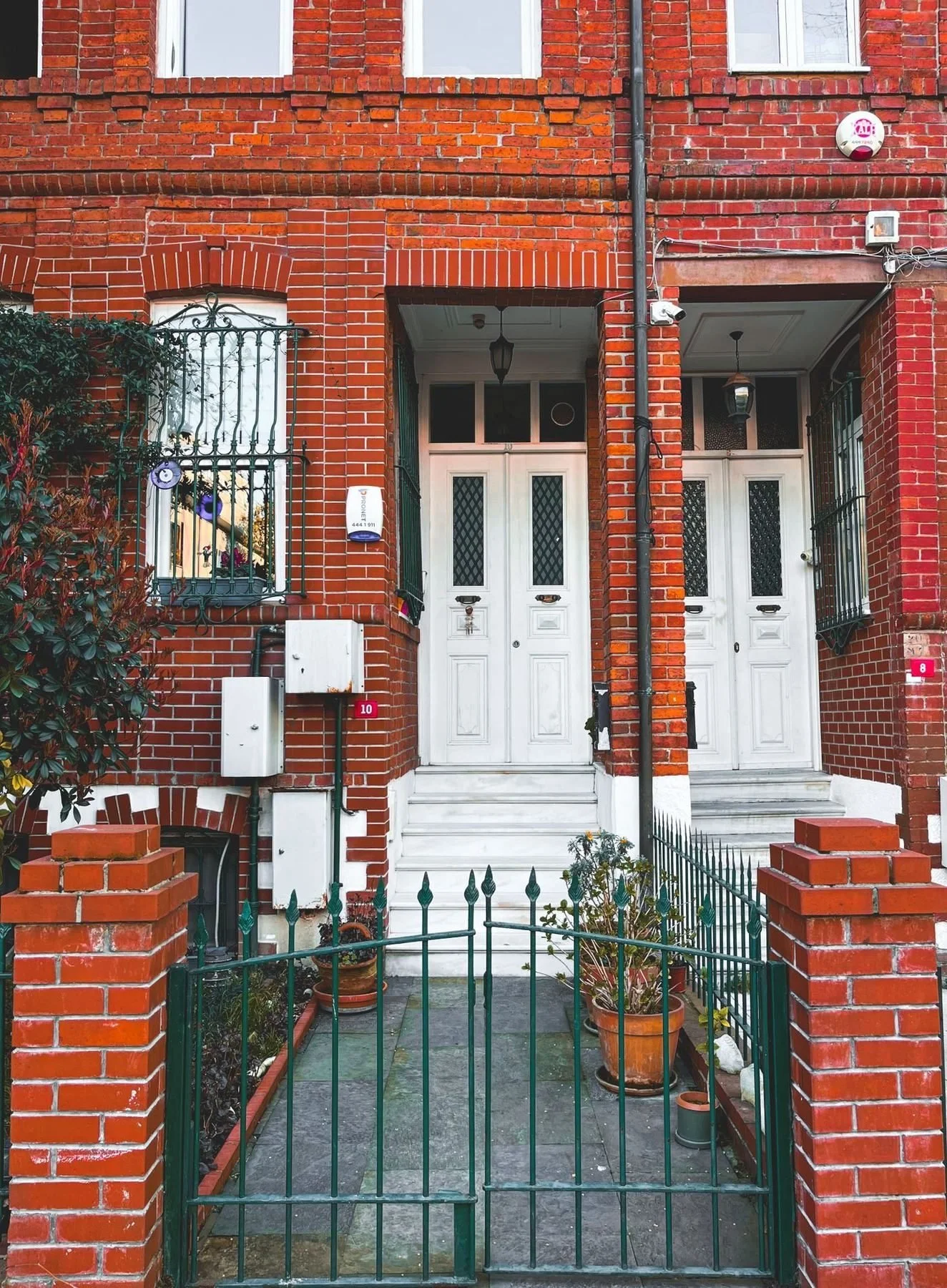
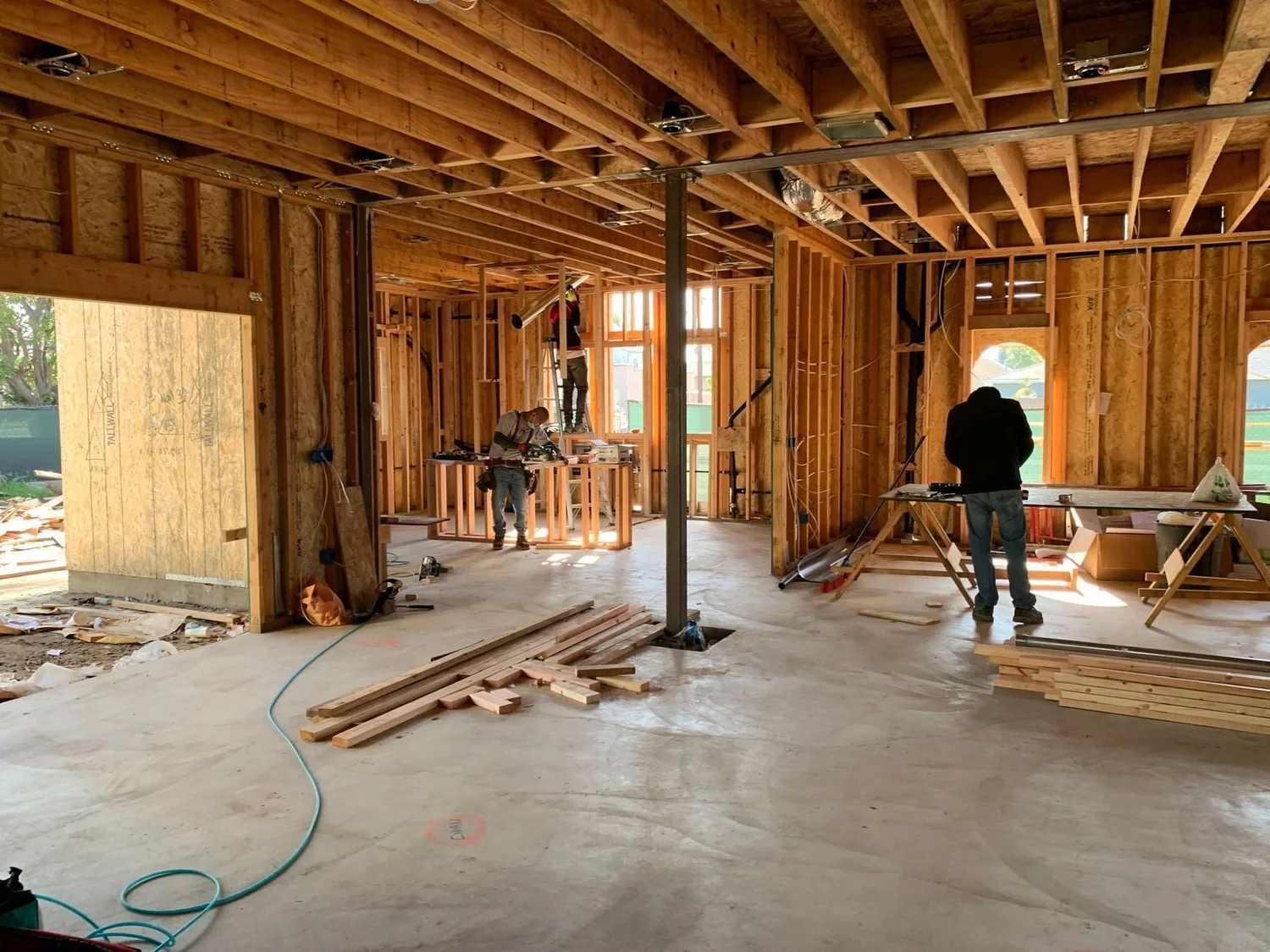
- One- to four-family homes, buildings suited to conversion, mixed-use buildings and buildable lots
- Condition
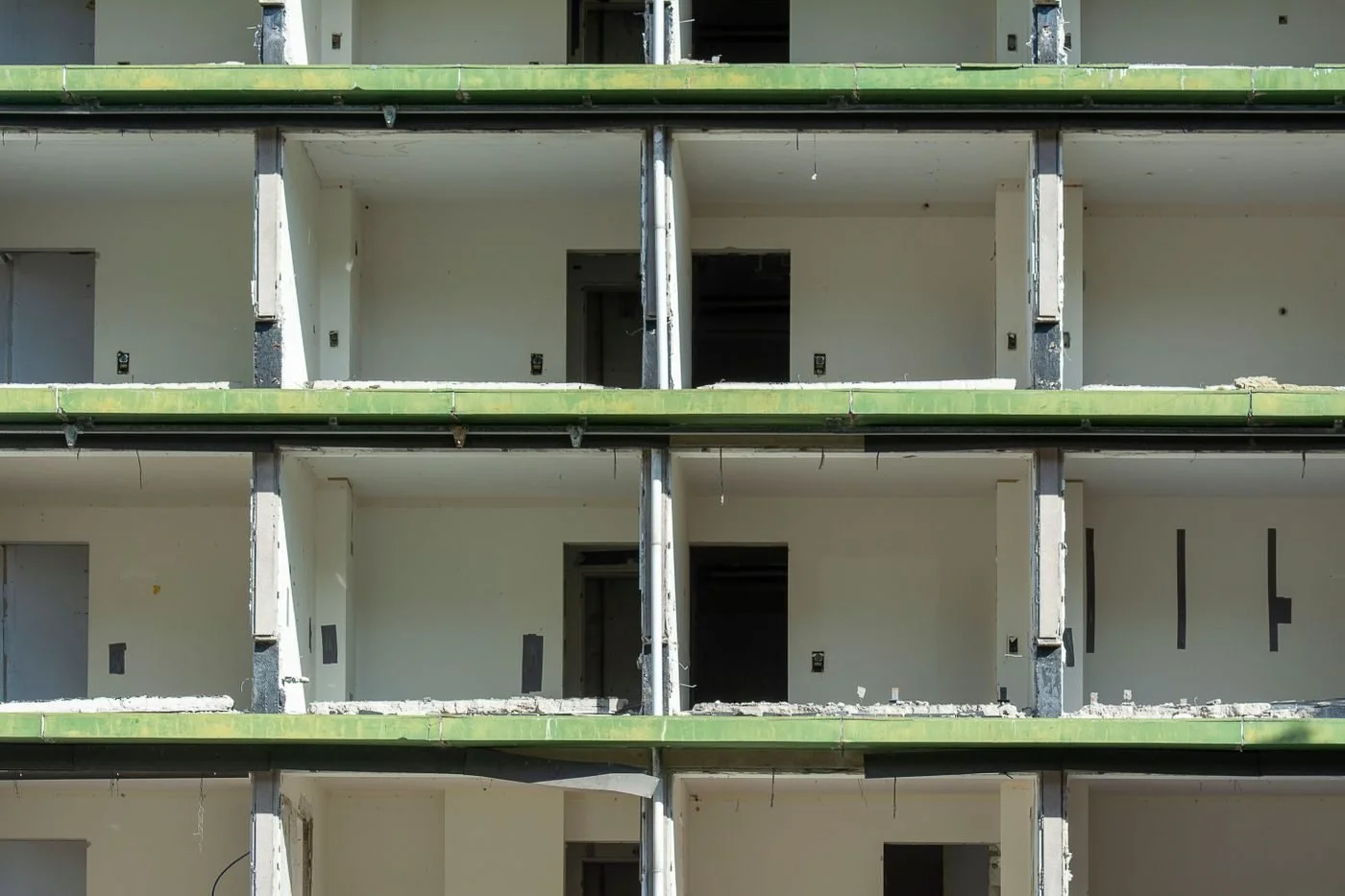
- Any condition, including vacant, fire-damaged and code-cited
- Typical basis
- Generally around $150,000 per unit before renovation, with flexibility for the right property
- Typical size
- Generally up to about $3 million in total project cost; larger projects considered alongside co-investors
- Outcome
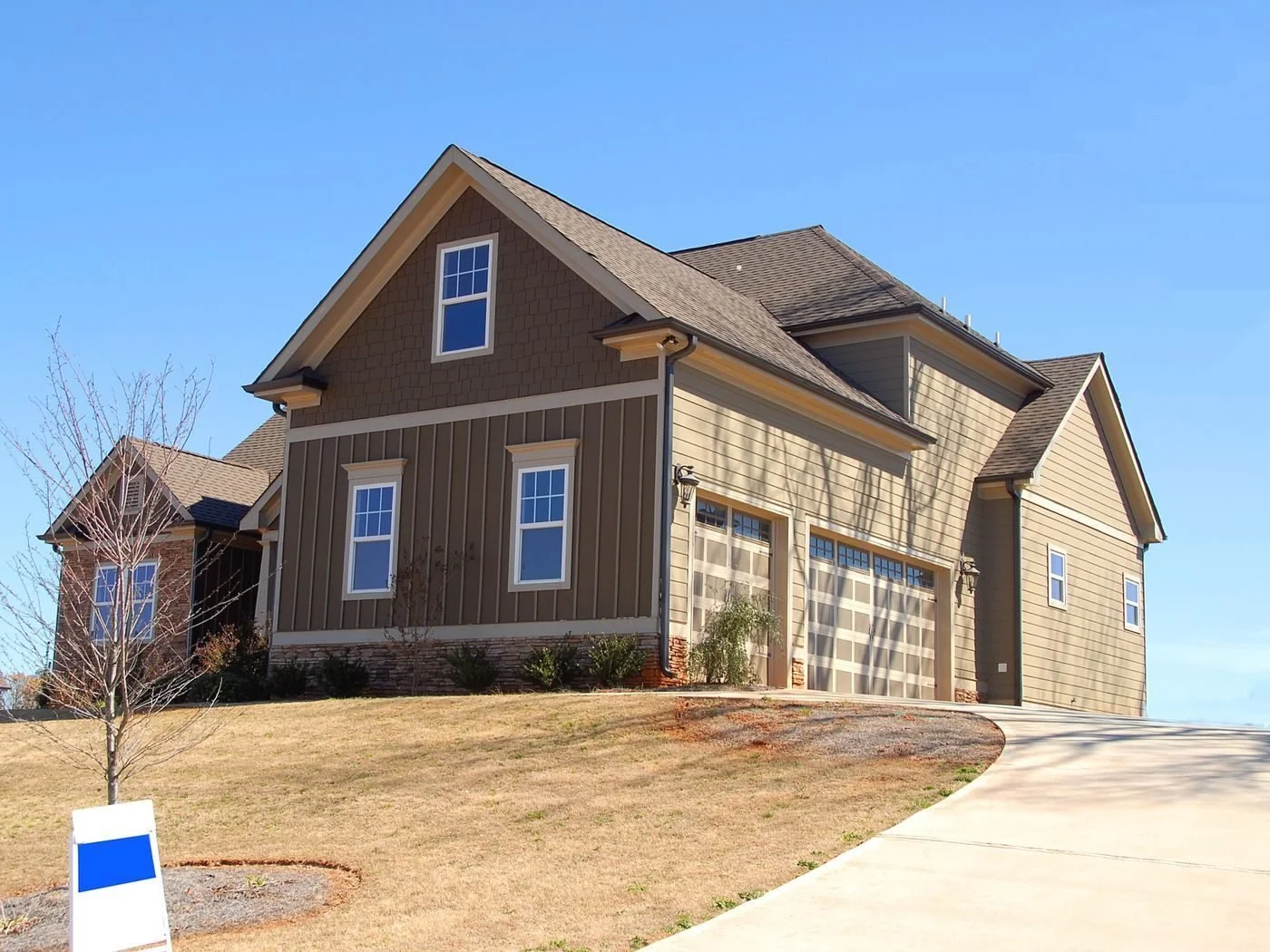
- Sale to owner-occupants, with first-time buyers as our focus
Where we invest
Four urban centers today, one county we know block by block.
We concentrate where first-time buyer demand, housing stock and transit line up, close enough to visit every property and know local permitting. Our footprint will widen to New Jersey's other urban centers as the firm grows.
Newark
New Jersey's largest city, with deep stock of one- to three-family homesEast Orange
Dense residential blocks near two rail stationsOrange
Walkable neighborhoods on the Morris and Essex lineIrvington
Older housing stock with value-add opportunity close to Newark
Value creation
Return comes from the work, not the market.
We do not underwrite to appreciation. Each project must work at today's closed sale prices, with every dollar of acquisition, renovation and holding cost accounted for and a margin of safety left over.
If prices rise, partners benefit. If they do not, the project still has to stand on its own.
Resale value is set on closed comparable sales, not asking prices. Proportions are illustrative and do not represent any specific project or expected return.
How a project works
Two illustrations, from acquisition to a family's front door.
Rounded, illustrative ranges on one scale, underwritten to today's closed sales. They do not describe a specific property or an expected return.
A two- to three-family renovation
Restore and sell- Acquisition
- $250K to $350K
- Renovation and carry
- $150K to $250K
- Value after renovation
- $475K to $625K
- Typical timeline
- 12 to 18 months
Buyers can draw on up to $15,000 in state down payment assistance, plus local programs where available.
A new infill home
Build and sell- Land
- Nominal on city lots; $50K to $125K private
- Construction, all in
- $425K to $550K
- Sale price
- $450K to $575K
- Typical timeline
- 18 to 24 months
Where the cost to build runs ahead of an attainable price, public land and homebuyer programs close the gap.
Illustrative ranges based on recent conditions in Essex County. Actual costs, values and assistance vary by property, buyer and program. Down payment assistance shown is the New Jersey Housing and Mortgage Finance Agency program for eligible buyers in Essex County.
- 01
Source
Our platform scans more than 100 listing, auction, distressed and public-record sources, and our broker network adds off-market leads.
- 02
Screen
Each lead is scored against nine screening factors. About one in twenty makes the short list.
- 03
Underwrite
A principal visits every property. Scope, budget and resale value are set before we fix our maximum price.
- 04
Acquire
With financing arranged before the offer, we typically close in 30 to 45 days.
- 05
Restore or build, then sell
Fixed-scope work with weekly oversight, then a sale to an owner-occupant, with capital returned to partners as planned.
Our renovation standard
Every dollar of work has to earn its place in the resale price.
We build for the families who will own and live in these homes for decades: sound structure, efficient systems and finishes that last, without spending on what owners will not value.
Risk management
We underwrite to the exit, not the entry.
Six disciplines apply to every project, and none is set aside to secure a property.
Resale set on closed sales
We price the sale from recent comparable sales, never from listings or projections.
A maximum price, set first
The most we will pay is set before we make an offer, and we hold to it.
Financing before offers
We make no offer without lender interest in place, so we close on time and on agreed terms.
Contingency in every budget
Every renovation budget carries a reserve for what older buildings reveal once walls are open.
Buyers prepared early
We work with housing counselors, lenders and city partners to prepare qualified first-time buyers well before a home is complete.
Conservative leverage
We size borrowing so a project can absorb a delay or a softer sale price without putting partner capital at risk.
Five-year plan
Grow in stages, and earn each one.
Each stage opens only when the one before it has delivered. Scale follows results, never the other way around.
Prove the model
Project-by-project partnerships, a growing track record and one reporting standard from the first project forward.
Next stage requires: consistent results across completed projects
Programmatic co-investment
Repeat capital partners investing across a steady pipeline of for-sale projects in all four core markets.
Next stage requires: repeat partners and an independently reviewed track record
A dedicated vehicle
Dedicated investment vehicles for qualified investors, with the governance and reporting institutions expect, and a footprint that reaches New Jersey's other urban centers.
Subject to results and market conditions
This plan and ambition are forward-looking, describe intentions rather than commitments, and are subject to change.